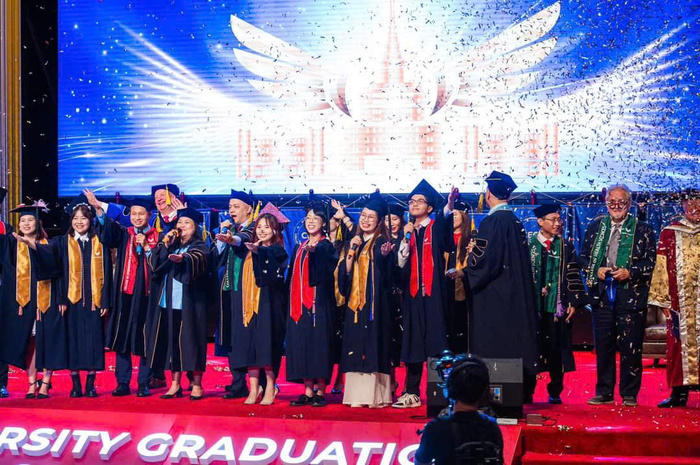
University student recruitment has evolved significantly, with institutions leveraging digital platforms and personalized outreach to engage prospective students. Key approaches include showcasing campus life through immersive videos, highlighting success stories of alumni, and utilizing data-driven advertising to target specific demographics. Collaborations with high schools and participation in career fairs also play crucial roles in building relationships early on.
In recent years, Vietnamese universities have intensified efforts to differentiate themselves by emphasizing unique programs, international partnerships, and scholarships. Social media campaigns featuring student testimonials and interactive virtual tours have proven particularly effective in capturing attention. Additionally, strategic alliances with industry leaders provide students with internship opportunities, enhancing employability upon graduation.
Key Components of Modern Recruitment
Effective recruitment strategies now focus on creating compelling narratives around academic excellence and career prospects. Institutions invest in professional photography and videography to produce visually appealing content that reflects their vibrant communities. Interactive webinars and Q&A sessions with current students offer transparency and foster trust among applicants.
- Personalized communication via chatbots and dedicated admissions teams ensures timely responses to queries.
- Data analytics help tailor messaging to resonate with specific audiences, improving conversion rates.
- Sustainability initiatives and community engagement projects appeal to environmentally conscious candidates.
Challenges and Opportunities
Despite advancements, challenges remain in reaching global audiences amid rising competition. Language barriers and cultural differences necessitate multilingual content and culturally sensitive messaging. However, these hurdles present opportunities for innovation, such as developing AI-powered translation tools and localized marketing campaigns. Virtual reality experiences are emerging as powerful tools to simulate campus environments, allowing prospective students to explore facilities remotely.
Furthermore, universities are increasingly focusing on holistic student support systems, from orientation programs to mental health services, ensuring a smooth transition for newcomers. By integrating technology with human-centric approaches, institutions aim to create supportive ecosystems that nurture both academic growth and personal development.
Future Trends
Looking ahead, expect greater emphasis on hybrid models combining online and offline recruitment methods. Gamification elements in promotional materials may boost engagement, while blockchain technology could streamline credential verification processes. As the landscape continues to shift, adaptability and continuous learning will be essential for maintaining a competitive edge in attracting talented students worldwide.